
 Clinical Study
The MACULIGHT Study
The first nationwide study on photobiomodulation home therapy for dry AMD — funded by the Federal Ministry for Research.
February 17, 2026
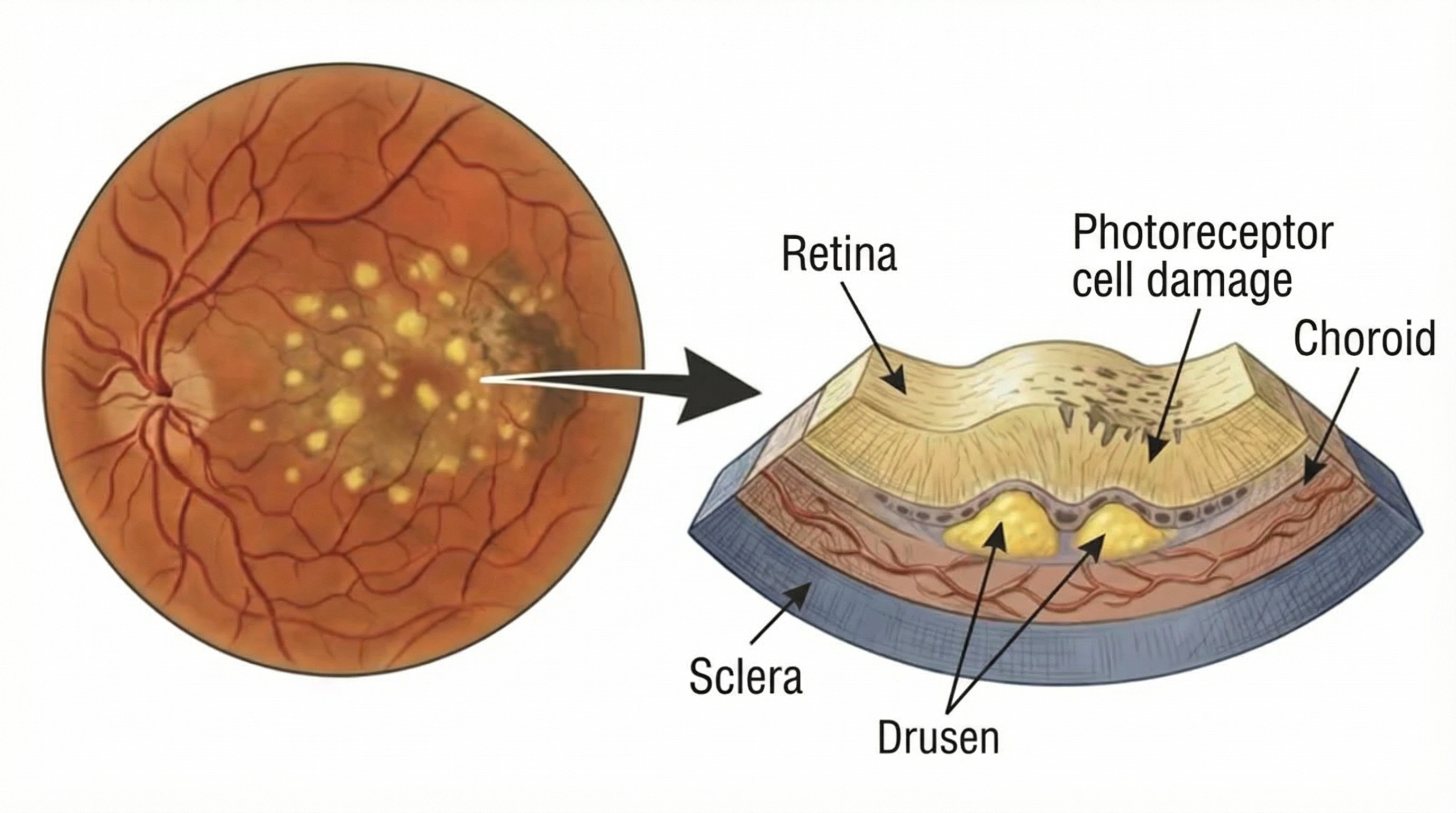
Schematic illustration: Drusen and macular changes in dry AMD
Age-related macular degeneration (AMD) is a chronic eye disease that can impair central vision. It affects the macula — the area of the retina responsible for sharp vision.
The dry form accounts for approximately 80–90% of cases. It typically develops slowly over years and can lead to significant impairment of central vision in advanced stages.
Test your central vision in just 2 minutes — a simple screening for possible macular changes.
This self-test does not replace a professional eye examination. If you notice changes, please consult your ophthalmologist.
The Amsler grid is a simple square grid with a dot in the center. Look at the center dot with one eye at a time. If the lines appear distorted, wavy, or areas seem blurred, this could indicate macular changes.
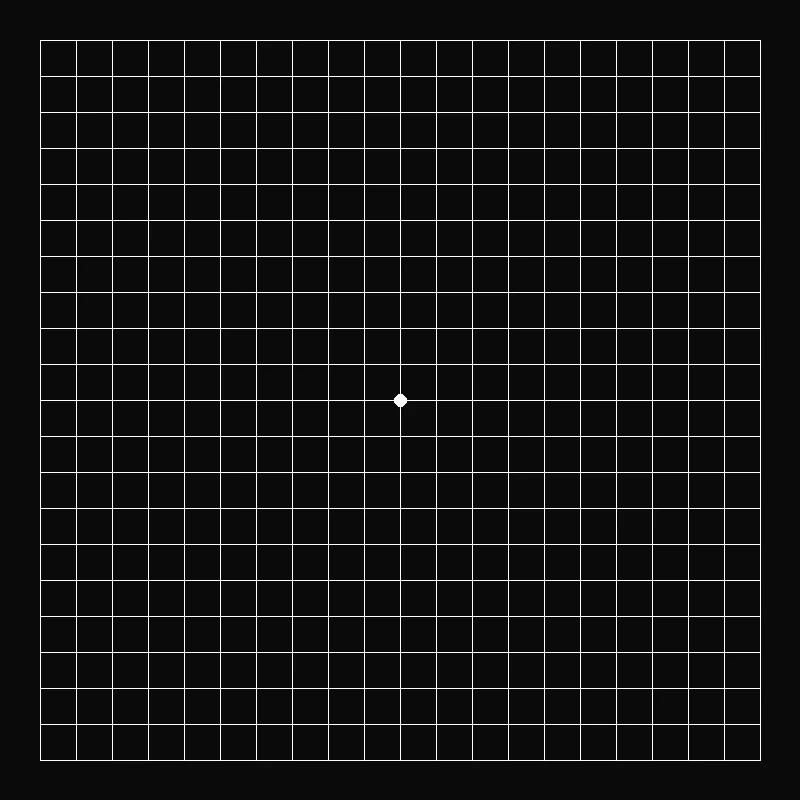
Normal view
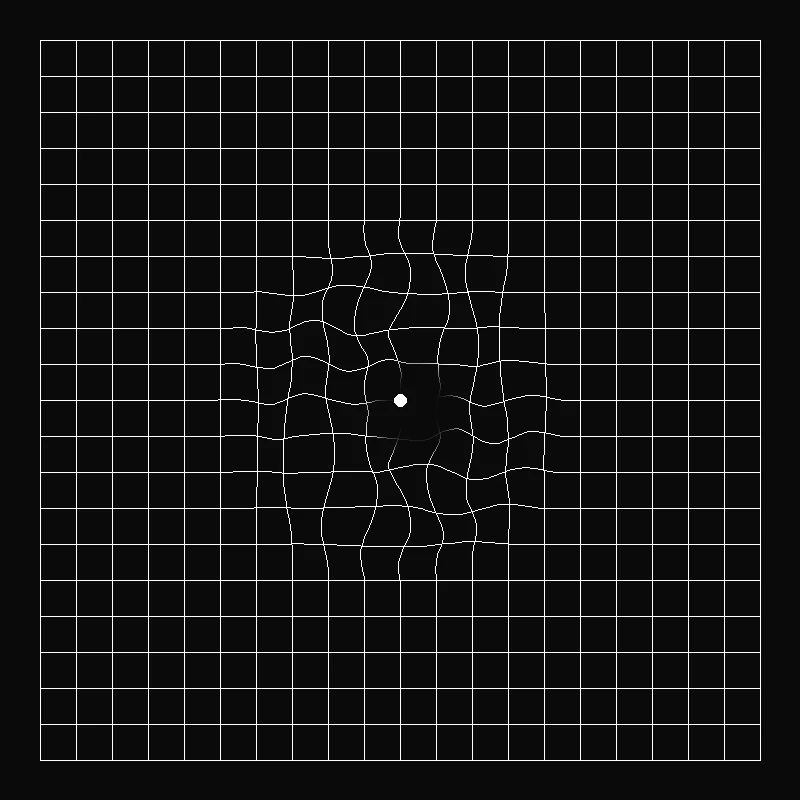
Distorted view (possible AMD sign)
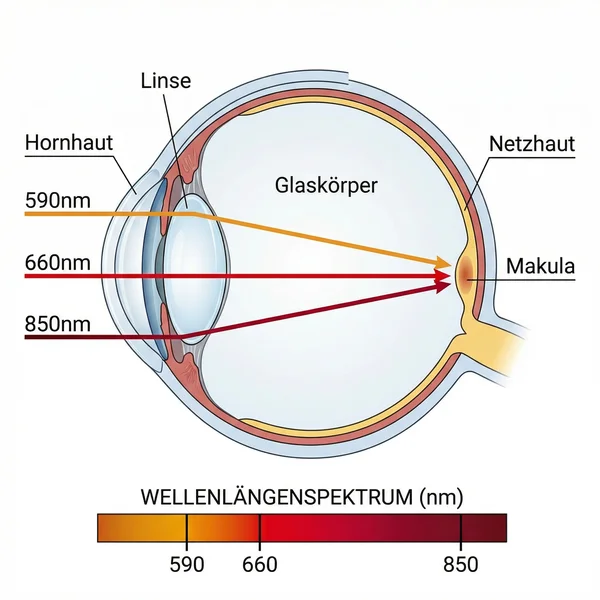
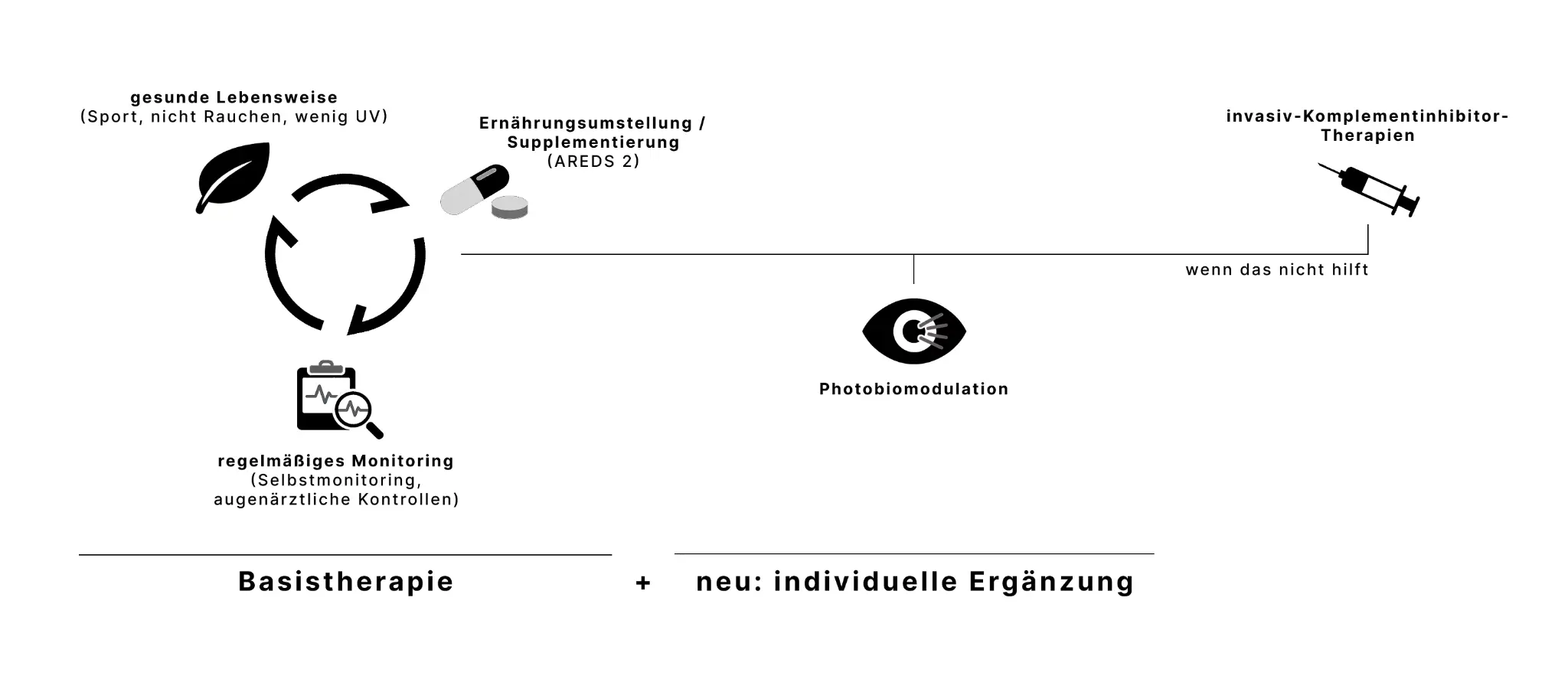
Photobiomodulation (PBM) is a non-invasive procedure in which low-energy light in the red spectral range (approx. 670 nm) is directed at the retina. This light is absorbed by cytochrome c oxidase in the mitochondria — the powerhouses of our cells. This increases cellular energy production (ATP), reduces oxidative stress, and activates anti-inflammatory processes.
In patients with dry AMD, the cells of the macula are impaired in their function. PBM can reactivate these cells and thus help slow the progression of the disease. The treatment is painless, takes only a few minutes, and can be conveniently performed at home.
Over 20 clinical studies — including the randomized LIGHTSITE I–III trials — have investigated the efficacy and safety of PBM for dry AMD. A systematic meta-analysis from 2024 confirms significant improvements in visual acuity. In January 2025, the US FDA approved a PBM device (Valeda, LumiThera) for the treatment of dry AMD for the first time — a milestone for ophthalmology.
In Germany, the MACULIGHT study, funded by the Federal Ministry for Research, Technology and Space (BMFTR), is investigating PBM as a home therapy at five leading eye clinics. The results are eagerly awaited.
Current developments in PBM research, the MACULIGHT study, and health insurance coverage for dry AMD.
Clinical StudyThe first nationwide study on photobiomodulation home therapy for dry AMD — funded by the Federal Ministry for Research.
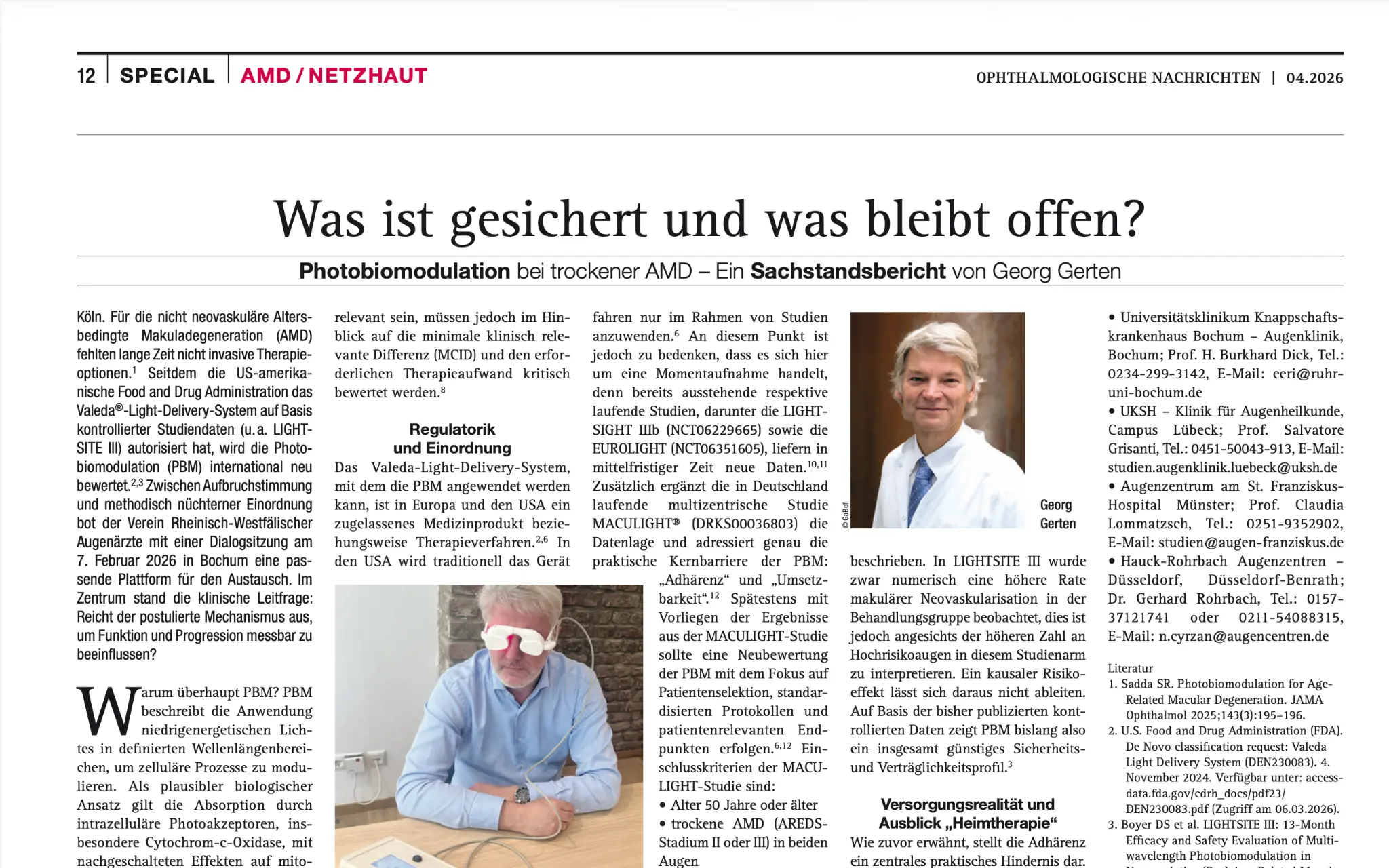 Expert Report
What is established and what remains open? Evidence, FDA authorization, MACULIGHT study, and home therapy outlook.
 Award
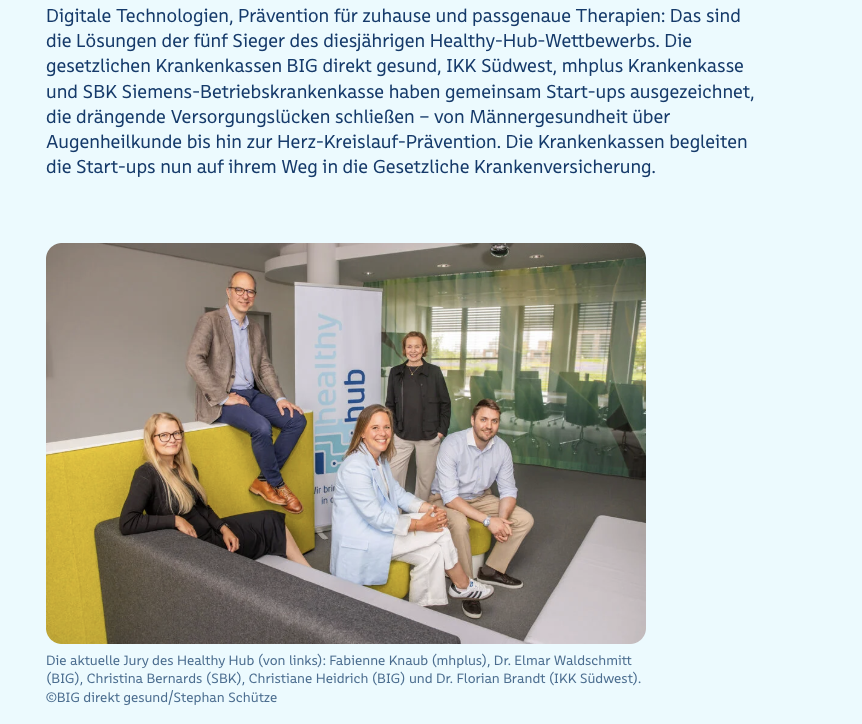
AwardFour statutory health insurers pave the way for PBM home therapy coverage. A milestone for dry AMD patients.
Research into the treatment of dry AMD has made significant progress in recent years. Several therapeutic approaches are in various phases of clinical testing — from initial laboratory studies to approved treatments.
Initial laboratory and preclinical studies
First patient studies (Phase I/II)
Large clinical trials (Phase III)
Regulatory approved and available
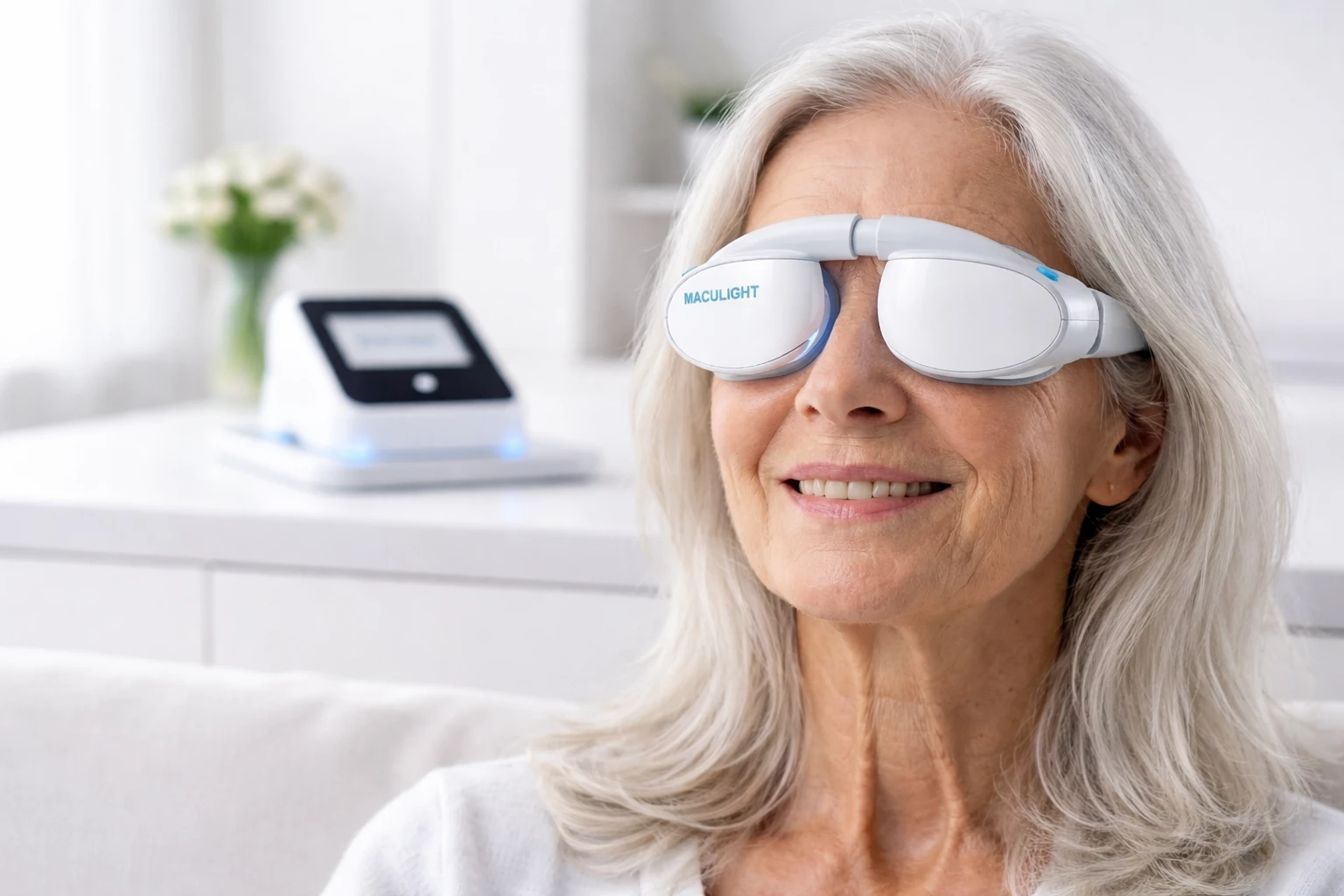
The MACULIGHT study is a multicenter, prospective, randomized, and controlled clinical trial with 120 patients, conducted at leading German eye clinics. It investigates the efficacy and safety of photobiomodulation as a home therapy for dry AMD.
The study is being conducted at leading ophthalmology clinics and centers in Germany: the University Hospital Schleswig-Holstein (UKSH), the University Hospital Knappschaftskrankenhaus Bochum, the Eye Center at St. Franziskus Hospital Münster, MVZ Perfektes Sehen in Cologne, and the Hauck-Rohrbach Eye Centers.
The study is funded by the Federal Ministry for Research, Technology and Space (BMFTR). The sponsor is Ciromed GmbH.